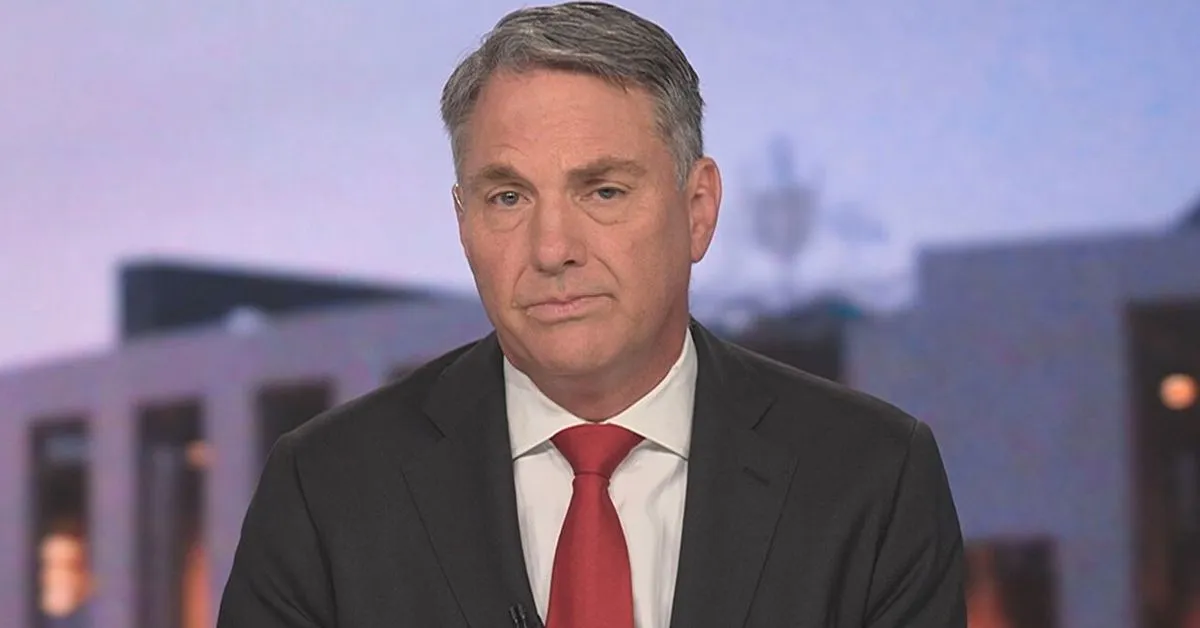

However, compared to predecessors Scott Morrison during the COVID-19 crisis, or Kevin Rudd during the Global Financial Crisis, Albanese did not unveil any dramatic new policy or legislation after leaving the country on tenterhooks for hours.
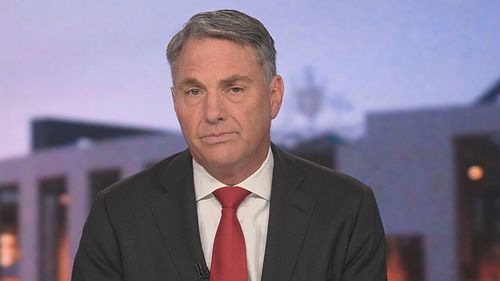
Deputy Prime Minister Richard Marles defended the decision this morning, saying it was part of the prime minister’s job.
”Australians are obviously feeling anxious about what’s happening in the war in the Middle East,” he told Today.
“I think in that moment it’s the right thing to do for the PM to speak directly to the Australian people.”
Pressed on whether the drama of a national address had been necessary, Marles said it had been an important message to send and that Albanese had provided clarification over the government’s actions.
“The fundamental point, in a calm way, is for the prime minister to be speaking directly to the Australian people at a moment where there is significant anxiety and understandable anxiety about what’s playing out in the Middle East and the uncertainty of the future,” he said.
“That’s exactly what should happen.”
Meanwhile, Marles also said the government supported Western AustraliaA Premier Roger Cook’s actions after Cook enacted a state of emergency, directing fuel companies to hand over sensitive supply information.
However, Marles did not say whether the federal government considered the situation a national state of emergency, commenting only that the decision was within the auspices of the WA premier.
”We support that government in taking the steps it has,” he said.
“We will continue to make decisions in a calm and methodical way.”
NEVER MISS A STORY: Get your breaking news and exclusive stories first by following us across all platforms.