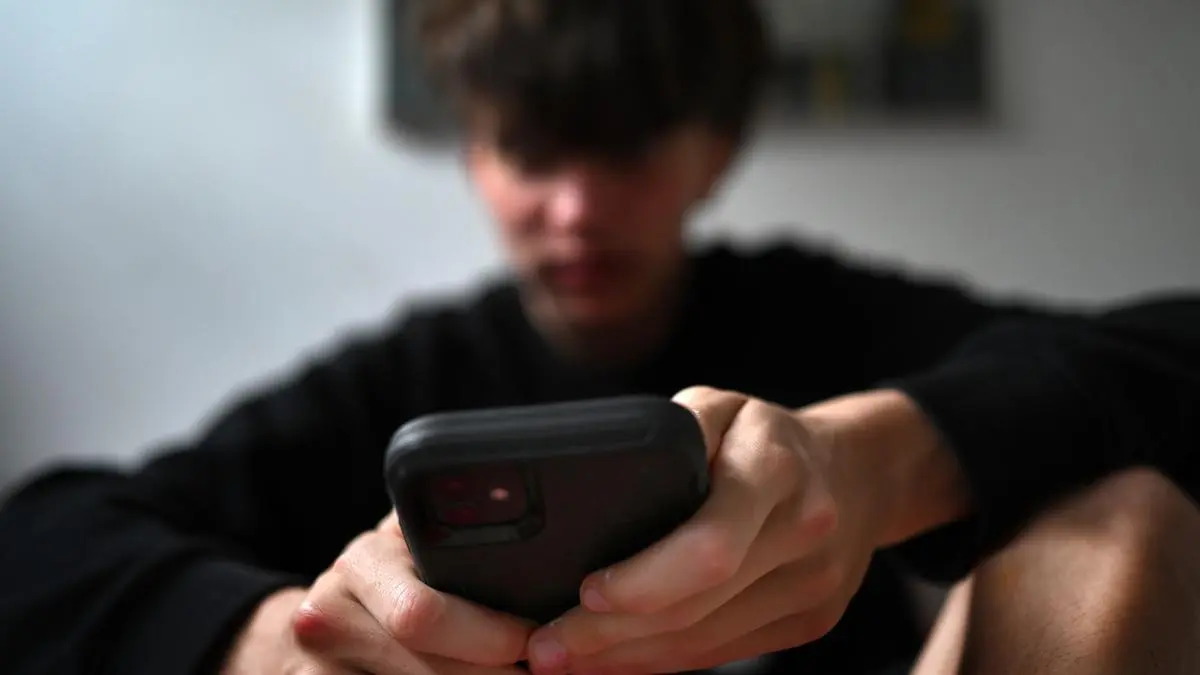

There’s a lot riding on the government’s imminent social media ban, in so many ways.
Will it prove age verification technology can be effective? Can it reduce the risks and harms children are currently exposed to online? Can big tech be held accountable?
But at the dinner tables and in the living rooms of Australia, one of biggest questions is: Can parents and their children have an open, honest conversation about their social media use and what it really means to their lives?
Know the news with the 7NEWS app: Download today
Speaking with experts about the upcoming ban, they emphasise that communication and understanding will be crucial. Not just in making sure the new rules are effective — but also avoiding a really negative impact on a young person about to lose something that could be much more important to them than parents realise.

With an estimated 150,000 Facebook users, 350,000 on Instagram and 400,000 using Snapchat being under 16, there are a lot of conversations to be had as so many are about lose access to their accounts.
“If a parent comes in and says: ‘well, this is just what the government says and you just have to do it,’ and you’re not listening and you’re not empathising — it might be a really difficult transition for a young person,” psychologist Scott Fatt told 7NEWS.
“It could mean a big part of their identity, a big part of their way of dealing with stress.”
Suggesting parents need to clearly explain why the ban is coming into place and work out how to make the change easier — to meet their needs in another way. From downloading and saving memories like photos and posts to working out how to connect with distant social media friends through another forum.
And to look for signs they may be struggling with it — sudden mood changes, anxiety, stress, anger, becoming secretive, tiredness, losing interest in usual activities, a drop in school performance.
“I think the message is: ‘it’s not a ban, it’s a delay’,” says tech expert Val Quinn.

And while the new rules currently affect ten social media platforms — Facebook, Instagram, Threads, Snapchat , Tiktok, X, Youtube, Reddit, Kick and Twitch — many more gaming and messaging apps are not impacted.
These include Discord, Roblox, Messenger, WhatsApp, Youtube Kids and GitHub. Though authorities say more apps could be added to the banned list in the future.
“This restricts some of the dangers for under 16s on the internet but parents still need to make sure they’re policing what their kids are doing,” he says.
Attempts to get around the ban — whether using an older persons’ log-in or VPN to disguise location — will be up against AI primed to catch them out by analysing what users do.
“If they’re talking to kids of a certain age, looking at content of a certain interest level. Facebook watches what you’re doing and says ‘no, this doesn’t look like the typical behaviour of a 45 year old’,” says Quinn.
Adding, “the VPNs could figure out that you are in Australia — there are markers like the device that you’re using.”
Platforms that don’t take reasonable steps to prevent under 16s from using account face a fine of up to $49.5m. There are no penalties for children or parents.
“Young people are not going to get in trouble,” says Fatt. “I think that’s important to encourage young people to be honest with their parents about how they use the technology.”
Andrew and Cindy Young — who have four sons aged between 10 and 16 — have actively kept an eye on what their boys have been accessing since they have started going online. From spot checks of messaging and what they’ve watched to rules about keeping phones out of the bedroom.
“You can only be a few swipes away from something being really entertaining and then being detrimental,” says Andrew.
“We’ve had instances when we’ve had to have deep chats with our children because of the content and conversations the kids are having privately,” Cindy tells us as she welcomes the government’s ban.
“We’re not the bad guys anymore,” she adds, chuckling.
With three of their boys under 16, they’re also thinking about creative ways to deal with post-ban boredom.
“Go outside, ride a bike, read books – we’ll have to encourage them to think outside the square a bit,” she says.
When we ask 10-year-old Odin what he might be doing instead he replies: “My PS5.”
If you need help in a crisis, call Lifeline on 13 11 14. For further information about depression contact beyondblue on 1300 224 636 or talk to your GP, local health professional or someone you trust.