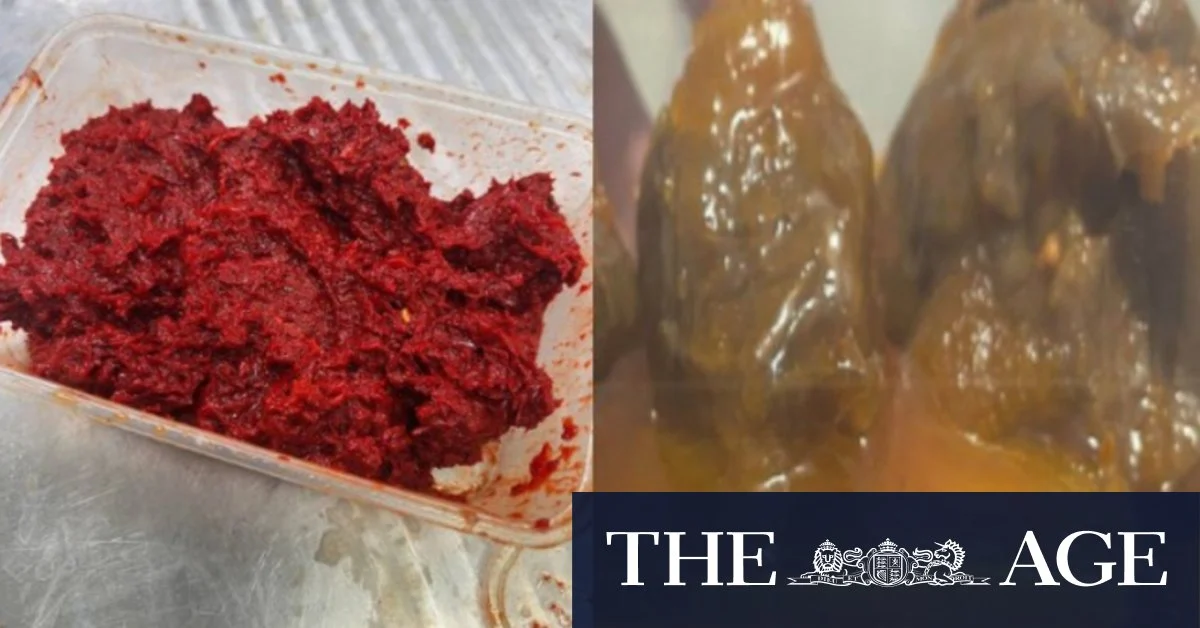

Queensland Chief Health Officer Dr Catherine McDougall said they believed there was no ongoing risk to the broader community, but issued an updated alert to clinicians in the Logan area “out of an abundance of caution”.
“In case there are other people who may have consumed the products and have not yet been identified,” she said.
McDougall said health authorities were “pleased that a food source link has been identified between all three families in the cluster and all patients are well and improving clinically” and added they were “confident that the products are not being currently made or distributed”.
Queensland police did not respond to questions from this masthead over whether the poisoning was being treated as targeted or suspicious.
Before the most recent alert, a spokesperson for Queensland Health said they were continuing to work with police “to investigate the origin and availability of the two homemade products identified”, with “no further updates at this time”.
Brodifacoum, the active ingredient in rat poison, inhibits vitamin K, which is essential for blood to clot. If ingested by humans, it can cause bleeding-related complications.
Director of infectious diseases at Mater Health, Professor Paul Griffin, said symptoms of rat poisoning could take “many days” to be noticed and he urged people to remain alert to any excessive or unexpected bleeding.
This included bleeding gums, unexplained bruises, blood in urine or stool and swelling of joints.
Queensland Health said anyone who believed they might have consumed identified products, or were experiencing unexplained bleeding, should visit their local GP, health centre or urgent care clinic for testing, or call 13 HEALTH.
Start the day with a summary of the day’s most important and interesting stories, analysis and insights. Sign up for our Morning Edition newsletter.