
Loading
Meanwhile, the NSW and Victorian areas with the highest colonoscopy rates almost completely overlapped with the highest rates of colonoscopies performed within three years of a patient’s previous procedure.
Only a small proportion of people need such frequent colonoscopies, according to national guidelines, suggesting many are being inappropriately performed too soon.
The national rate of early repeat colonoscopies fell by 8 per cent in the decade to 2023-2024. But in affluent areas, it rose by 2 per cent.
Conjoint Professor Anne Duggan, the commission’s chief executive and a gastroenterologist, said, “It makes you wonder: are people having colonoscopies that they don’t need? Are people who need them not getting them, and why?”
Cameron Sew Hoy knows he waited too long to see his GP in 2019. For five weeks, his bowel movements had been painful, and he had noticed blood in his stools.
“The first thing my GP said was, ‘At least it’s not cancer’ … given my age,” Sew Hoy, 42, recalled.
He was initially diagnosed with colitis, but the medication had no effect, and the gastroenterologist scheduled a colonoscopy.
“When I woke up, he told me that I had a tumour.”
Sew Hoy had stage three colorectal cancer. He is among a growing number of young people not eligible for the free bowel screening test who are being diagnosed with bowel cancer.
Sew Hoy underwent surgery to remove the tumour and part of his colon, followed by 12 rounds of chemotherapy.
“At the time, it was the most difficult thing I had ever experienced,” Sew Hoy said. “My daughter, Charlotte, would have been about two years old at the time.”
Now in remission, his follow-up care includes a colonoscopy every three years.
But the process has not been straightforward, said Sew Hoy, now 42 and a father of two daughters.
Loading
When he realised his next colonoscopy was coming up earlier this year, he spoke to his surgeon’s receptionist, who told him there was a backlog of patients. One month after the procedure, his GP had not received the results.
“Communication could be better,” he said. “Ideally, this should be a smooth process, but it doesn’t appear to be so.”
About 968,000 colonoscopies are performed in Australia each year to prevent and detect bowel cancer, the fourth most common cancer diagnosed nationally. Almost 90 per cent of cases are diagnosed in people aged over 50.
Colonoscopy is recommended for people whose national bowel cancer screening test returns a positive result, those with key symptoms (such as bleeding from the rectum, change in bowel habits or unexplained weight loss) and people with a strong family history of the cancer.
People aged 50 to 74 are sent a bowel screening test every two years as part of the program, and people aged 45 to 49 can request a free screening kit. But only two in five eligible people participate.
Holdenson Kimura said it was important people were not getting colonoscopies too soon, potentially affecting waiting times for those with positive screening results who need the procedure within the month.
Patients at Sydney’s Westmead Hospital wait up to a year for colonoscopies after their bowel cancer screening test has returned a positive result. In Victoria, patients are facing a nine-month wait.

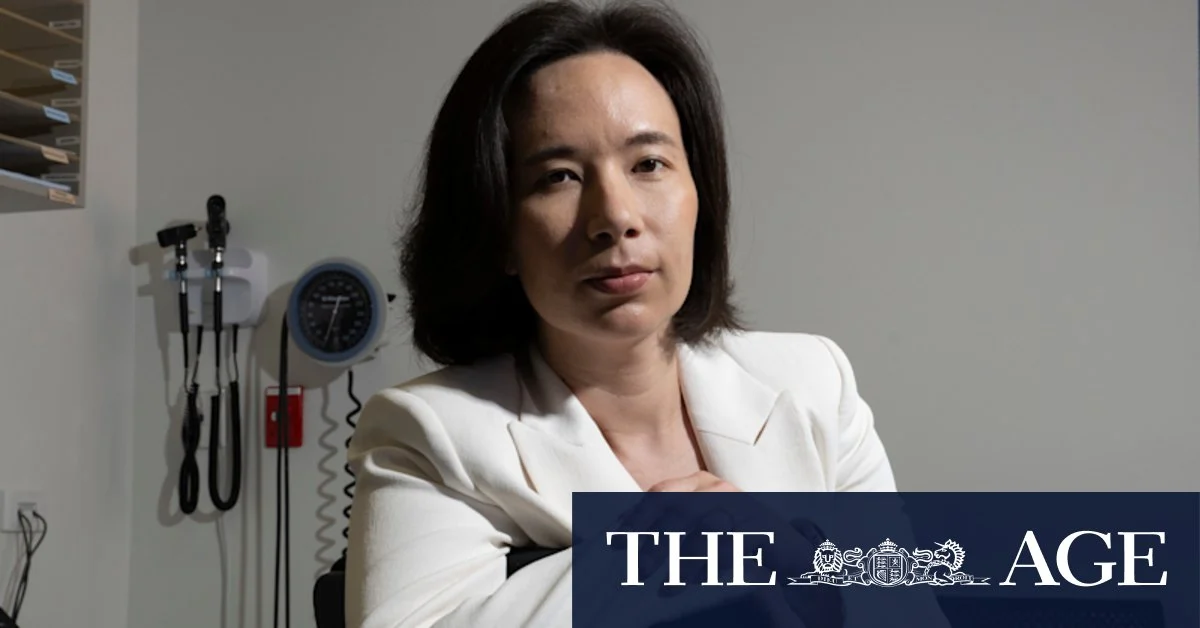
Dr Phoebe Holdenson Kimura, medical adviser to the Australian Commission of Safety and Quality in Health Care, at her GP clinic in Hornsby.Credit: Janie Barrett
Duggan said that, if the system was designed to respond to the greatest need, more colonoscopies would be performed in lower socioeconomic areas, where bowel cancer rates and deaths are higher.
“Bowel cancer is known to be associated with modifiable lifestyle factors such as obesity, smoking, excess alcohol, poor diet and sedentary lifestyle, which tend to be more common in lower socioeconomic groups,” she said.
Duggan said the marked variation “doesn’t make sense” in light of concerted efforts to reduce unnecessary repeats over the past decade, including changes to Medicare subsidies, guideline updates, and stringent training and credentialing of colonoscopists to ensure high-quality procedures are performed nationwide.
“You really have to wonder why so many people are having colonoscopies early in these areas. Are people not following guidelines?” Duggan said. “Some suggest it’s consumer-driven.”
The report and clinical standard will be presented at the World Congress of Gastroenterology in Melbourne on Sunday.
NSW areas with the highest rates of colonoscopy (per 100,000 people)
- Eastern Suburbs North – 4384
- Canada Bay – 3643
- Dural – Wiseman’s Ferry – 3557
- Sutherland, Menai – Heathcote 3551
- Pittwater – 3525
- Ku-Ring-Gai – 3523
- Cronulla – Miranda – Caringbah – 3379
- Leichhardt – 3373
- Eastern Suburbs South – 3304
- Baulkham Hills – 3300
All 10 areas (SA3s) are in the highest socioeconomic quintile
Victoria areas with the highest colonoscopy rates (per 100,000 people)
- Bayside – 4321
- Stonnington East – 3918
- Glen Eira – 3634
- Kingston – 3604
- Boroondara – 3500
- Manningham East – 4390
- Stonnington West – 3473
- Mornington Peninsula – 3397
- Keilor – 3356
- Nillumbik – Linglake 3305
The Morning Edition newsletter is our guide to the day’s most important and interesting stories, analysis and insights. Sign up here.