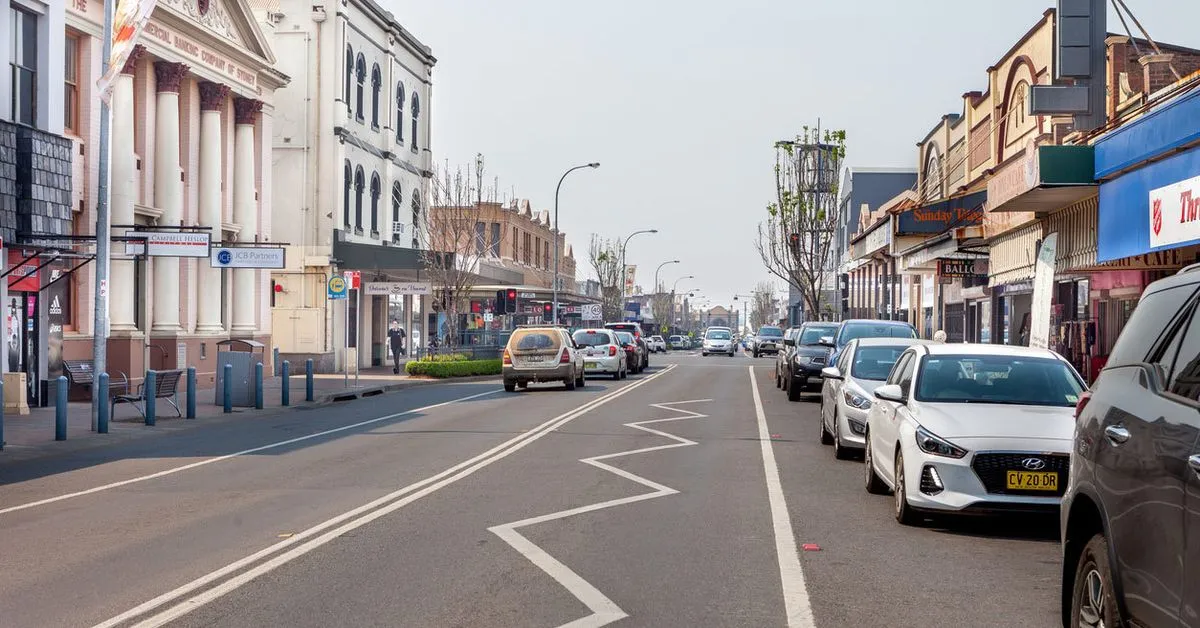

Some residents in the New South Wales Hunter Valley region could be paying up to thousands of dollars more for their council rates next year under a proposed hike.
Cessnock City Council said it plans to ask the Independent Pricing and Regulatory Tribunal (IPART) for permission to raise rates by 39.9 percent in the 2026-27 financial year.
Local councils need to be granted a “special variation” approval from IPART to increase rates above the yearly standard rate peg, the maximum percentage they can raise their general income. For Cessnock, the rate peg is 3.8 percent.
The permanent hike was necessary to maintain current council services and shore up the financial future of the council, which had a budget deficit of more than $8 million, the council wrote in a fact sheet distributed to residents.
“Quite simply, Council’s required expenditure for staff, materials, and contracts exceeds its revenue,” the council said, adding that the future financial viability of the council was at stake.
“If we don’t get the SV (special variation) approved then to even attempt sustainability we would have to significantly reduce all maintenance expenditure and pause all new infrastructure work – even then, independent advice by several parties suggests that liquidity would not be assured.”
Earlier this year, Cessnock City Council engaged the University of Newcastle to conduct a review of its finances.
The resulting report found the council had been struggling financially for many years but had held off increasing rates above the standard rate peg. Delay was “no longer an option”, the report said.
However, the proposed rate hike has angered many residents who say they will struggle to make ends meet if it goes ahead.
Seale said he will be paying around $1040 more per year if the rate rise goes ahead.
“An extra $1000 will make a massive difference to me. I’m semi-retired, working three days a week,” he said.
Seale said some people would be hit even harder, as the rates are calculated according to property values and he only lived on a small block.
“Some people have told me they will be paying up to $4000 more per year because they have a bigger block, maybe an acreage,” he said.
“There are a lot of families that have responded to me saying this is going to tip them over the edge. They don’t know how they’re going to make ends meet.”
Stuart Battle is raising two foster kids on a rural property on the outskirts of Cessnock at Wollombi.
He said he simply wouldn’t be able to afford the rate rise, which for him would amount to almost $2000.
“Money is tight as it is, let alone with a 39.9 percent increase. It’s a struggle with groceries and everything like that. We’re self-employed, so your wages don’t go up that much,” he said.
Another Cessnock resident, who wanted to remain anonymous, told 9news.com.au she feared she would end up homeless as a result of the rate rise.
“I am a single 62-year-old woman and I still have a very large mortgage,” she said.
“I have had to take on a second job and at times I work over 50 hours a week.
“I have to work well past 70 to pay off my house and this proposed increase will break me.
“I don’t want to sell my house and, as I can’t afford anything else, I will end up homeless.”
The council has calculated that the average residential household in Cessnock would pay about $600 extra in rates under the proposed hikes, while those living on farmland would pay an average of $1360 more and businesses $2070.
In its fact sheet sent to residents, council said it was very conscious of the hardship that the rate rise might cause and it would work to improve further on its current policy for those in financial distress.
Cessnock City Council will be conducting a survey and holding five community meetings over the next week to consult with residents about the proposed rate hike.
At a heated extraordinary council meeting last month, in which councillors voted to go ahead with community consultation about the council’s application to IPART, independent councillor Jessica Jurd walked out after voicing her objection to the rate increase.
“I do not support this application due to the fact that I know residents are struggling at the moment,” she said.
The council’s independent Deputy Mayor Tracey Harrington said she was angry that previous councils had let the situation get so bad that they were now “backed into a corner financially”.
While she would be voting to go ahead with council’s request to IPART, it was very reluctantly and only to avoid a worse fate of the council going into administration, Harrington said.