
More than three-fifths of it (63 per cent) is ultra-processed food, “often made up of artificial additives and lacking in whole foods” and less than 20 per cent meets international nutrition recommendations. Many of them came in dissolvable form, as puffs or melts.
Loading
The research, led by the council’s Centre for Behavioural Research in Cancer and published in Health Promotion International, found most of these foods (77 per cent) were sweet rather than savoury, and could set babies and toddlers up to prefer sugary foods.
One of the key culprits in childhood obesity is sugar. About 80 per cent of overweight and obese children go on to develop obesity in adolescence and adulthood, and the condition increases the risk of chronic conditions in childhood and beyond – including some cancers.
Jane Martin, executive manager of the Food for Health Alliance, says the new research demonstrates a concerning shift in baby and toddler eating patterns that is commercially driven. Consumption by children over the age of two of fruit and particularly vegetables has declined in recent years.
“What we have here is a growing industry-driven snack culture, and it’s prioritising sugar, excess consumption and convenience over nutrition,” she said.
“It is setting children up to develop unhealthy eating habits from their first bite, and we need government intervention to ensure profits aren’t coming at the expense of children’s health.”

Jane Martin, executive manager of the Food for Health Alliance, said parents were being hoodwinked by sneaky marketing on ultra-processed food for babies and toddlers.Credit: Jesse Marlow
The Australian commercial infant and toddler snack food segment generated $83.57 million in revenue in 2024. But Martin said baby snacks should not be allowed on the market because snacks are not recommended in infant nutritional guidelines, and introducing such products undermined healthy eating of whole foods.
Research published in The Lancet in November by 43 leading international scientists found ultra-processed foods could harm every human bodily system. The three-paper series found connections between ultra-processed dietary patterns and cancer, cardiovascular- and cerebrovascular-related illness and death, and kidney, liver, gall bladder, joint, metabolic and mental illnesses.
Ultra-processed foods were also associated with 12 health conditions, including obesity, type 2 diabetes, cardiovascular disease, high blood pressure, depression, chronic kidney disease and Crohn’s disease.
Martin said marketing language on the packaging of ultra-processed baby and toddler snacks made it difficult to understand their nutritional benefits.

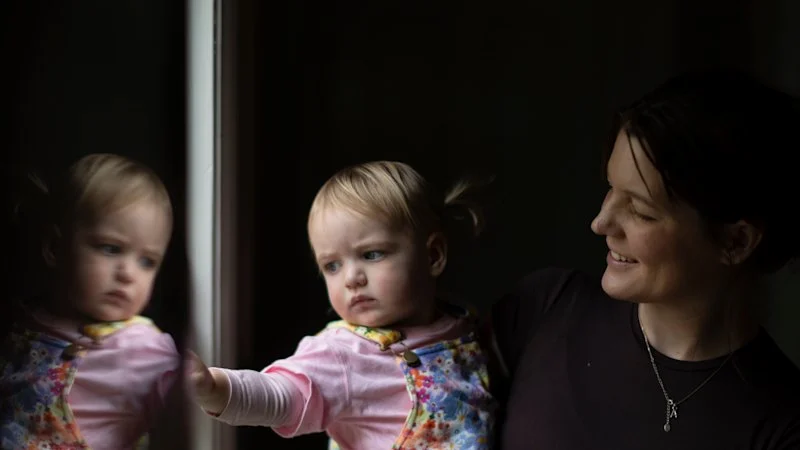
Mother Liv Croagh felt deceived by statements on toddler snack products framed as healthy.Credit: Jason South
“It’s really hard for parents; this is not their fault – they’re being hoodwinked. These products are specifically designed to be appealing [to them] in every way,” she said.
Some of these ultra-processed baby snacks include Bubs Organic Little Rollies Hazelnut, which contains 35 per cent sugar, CUB Apple & Raisin Fruit & Oat Bar (39 per cent sugar), and Heinz Little Kids Yoghurt Muesli Fingers Baby Food, which contains thickener and concentrates and is 42 per cent sugar.
Garvan Institute senior research fellow Daisy Coyle agreed parents were being misled by product marketing of baby and toddler snacks.
Loading
“There’s a very strong need to focus on these sneaky marketing tactics that are currently allowed … Parents then feel guilty when they find out that they’ve been doing the wrong thing; it’s not fair.”
Martin said regulation of the sector was urgently needed. Sodium and iron content in foods for children under 12 months is regulated, but there are no sugar or sodium limits for toddler foods and “no overarching requirement that these foods are good for toddlers’ health”.
Public health dietician and researcher Alison McAleese, co-author of the Cancer Council’s report, said the concept of baby and toddler snacks had been invented by the ultra-processed food industry, and regulating its products should be a high priority.
“This is an urgent issue: the industry came out of nowhere and has just ballooned very quickly to about 400 products; there’s a whole market there that was barely there 10 years ago,” she said.
“The marketing makes people feel like this is food their children need to be healthy. It’s not even like [parents] are making a choice for convenience; it’s pushed on them as a nutritious option, and they think they’re doing the right thing by their kids, but it’s just expensive junk food.”
Assistant Minister for Heath and Aged Care Rebecca White said there had recently been significant growth in the marketing and sales of commercial foods for infants and young children and that “the government is concerned these foods are not providing the nutrition that they require”.
In February 2025, food ministers agreed on a policy position on commercial foods for infants and young children which identified key concerns, White said. These relate to labelling, composition and texture. “This response will guide approaches for improving these foods,” White said.
Martin welcomed the fact that the ministers have decided to regulate what these foods can contain, and added that the research demonstrated why new rules should be implemented swiftly.
“[Regulation] needs to prioritise stricter rules to stop the flood of ultra-processed [food] undermining healthy eating in childhood,” she said. “And we’d like to see no snacks on the market for babies.”