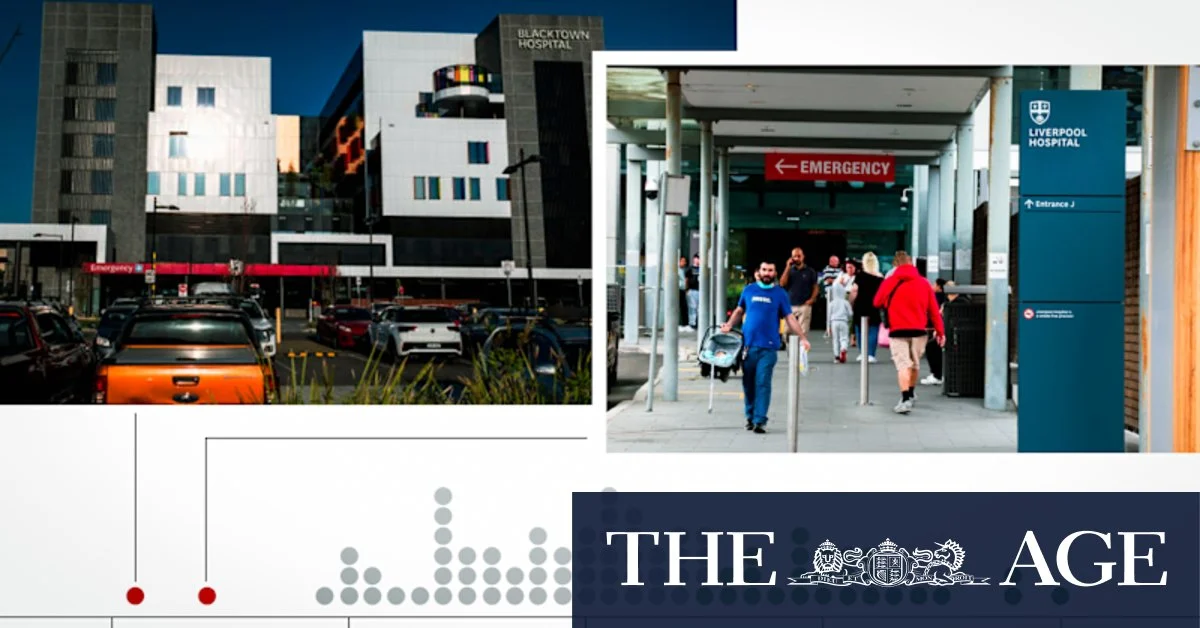

Both hospitals cater to growing and ageing populations of culturally and linguistically diverse communities with rising rates of chronic health conditions.
BHI acting chief executive Hilary Rowell said: “The majority of patients were positive about the care they received and ratings for most questions at NSW level were consistent with the previous year’s survey.”
Across the state, more than nine in 10 patients (92 per cent) rated their overall experiences of care as “very good” or “good” (67 per cent and 25 per cent respectively).
Almost four in five patients reported that the care and treatment they received “definitely” helped them, and 80 per cent stated that they “definitely” had confidence and trust in the health professionals who treated them.
Three-quarters (74 per cent) of patients said health professionals had “always” listened carefully to their views and concerns, up from 72 per cent in 2023.
Nine in 10 patients said their cultural or religious beliefs were “always” respected by hospital staff, and 88 per cent said they were “always” treated with respect and dignity.
Loading
More than eight in 10 Aboriginal patients (86 per cent) said their overall care was “very good” (60 per cent) or “good” (26 per cent).
But just one in five (21 per cent) patients said they would rate the food they were served in hospital as “very good”, down from 24 per cent in 2023. Another 44 per cent rated the food as “good”, 22 per cent “neither good nor poor”, and 14 per cent “poor” or “very poor”.
Patients admitted to rural hospitals gave significantly higher ratings of care than those admitted to urban hospitals, with 72 per cent of rural patients rating their overall care as “very good” compared with 66 per cent of urban patients.
Patients highly prize hospitals that run smoothly with respectful staff. They were nine times more likely to rate their overall care as “very good” if they found their care was “very well organised” and three times more likely if they said they were “always” treated with respect and dignity.
“These insights give health professionals guidance on where they can focus on improving care, to have the most impact on patients’ overall experiences,” Rowell said.
The longer patients stayed in the hospital, the less likely they were to rate their care positively, particularly for most measures relating to communication and involvement in decision-making.
A NSW Health spokesperson said: “We recognise that not every experience is the same, and we are committed to learning from all feedback, including those who may not have felt fully heard or supported.”
Northern Beaches Hospital was not included in this report. This data is being collected for the hospital for 2025 patients.
Have you had a recent Sydney hospital experience?
Answer the questions below.