
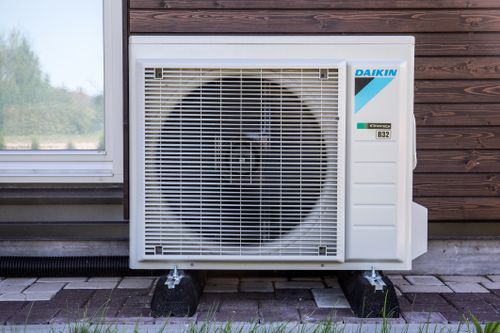
On those days where the mercury rises to the angry end of the 30s, those of us with air-con wondered what we did without it.
But it’s on those days Australians stand the greatest risk of losing it all to an unwelcome blackout.
“The winter evening peak in the old days was just everyone coming home and putting the heating on at the same time,” she said.
“Now what it’s shifting to is everyone putting the air conditioning on at the same time.”
Adding more pressure on the grid is an ironic issue with coal generation.
If it gets too hot, coal plants start to struggle.

“Coal generators are more likely to break down because they don’t cope very well with high heat,” Reeve said.
“So when that happens, that can also cause a blackout or a brownout, because you’ve got such high demand at the same time.”
When the grid is under too much strain, the major users are asked to switch off.
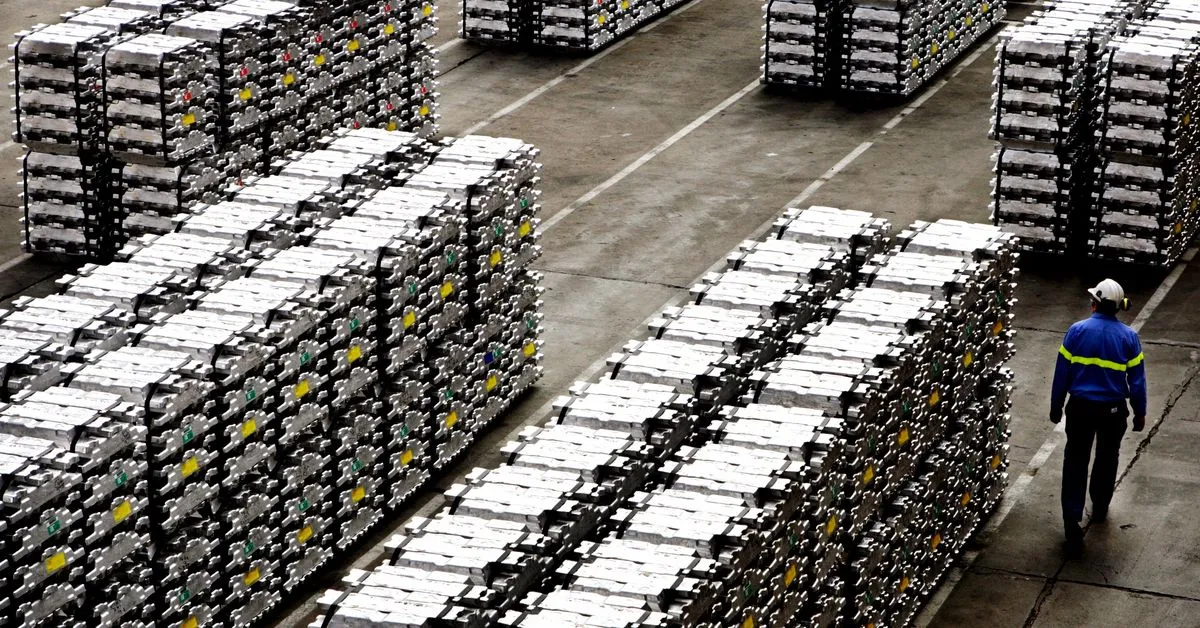
The biggest offenders are aluminium smelters.
Australia has four aluminium smelters that account for 10 per cent of the electricity used in the country.

And high power bills has meant the smelter is now turning to the federal government to keep them open.
But switching them off is an expensive endeavour.
The smelters run 24 hours a day, and any shutdown is problematic.
“It doesn’t happen that often,” Reeve said.
“It’s there if we need it.”

Solar panels generate the most electricity around 1pm, but the usual peak time for power usage is about 5pm. By then, the sun has started to set and less electricity is being generated.
So how can the average punter reduce the risk of blackouts on a hot summer’s day?
The best options are to add a few degrees to the air conditioner, and, obliquely enough, make sure your aluminium cans are getting recycled.