

Health experts are grappling with a perplexing rise in shingles among younger Australians, cases having almost tripled in the 25-to-49 age group over the past 13 years.
While shingles is commonly thought of as an older person’s condition, an analysis of data from the National Notifiable Disease Surveillance System shows 3778 cases were recorded among those aged between 25 and 49 last year.
This compares with 1301 cases among this group in 2013. This is just the tip of the iceberg, as the data does not include cases from NSW, where shingles is not considered a notifiable disease.
Dr Aakriti Gupta, who sits on the board of the Australasian Society of Cosmetic and Procedural Dermatologists, believes the rise in cases is linked to younger people being under intense stress.
“Shingles is commonly triggered during periods of intense stress, after viral infections and during major hormonal or immune shifts,” she said. “Everyone talks about how this generation is under more stress.”
Shingles is a painful red rash caused by reactivation of the chickenpox virus. Following a chickenpox infection, the virus retreats to a person’s nerve tissues near their spine and brain, where it can remain dormant for decades.
While researchers are divided on the link between stress and shingles, some believe stress can suppress the immune system, enabling the virus to reactivate and erupt on the skin as shingles.
Gupta says most people with shingles are treated by their GP, but some are referred to dermatologists when their rash is atypical and doesn’t immediately point to shingles. An atypical rash might include blisters across both sides of their body (shingles typically appears on one side of the body) or an unusual pattern.
One patient in her 40s was recently seen at a dermatology clinic in Sydney with shingles in her mouth after a stressful period at work.
While stress is often blamed for shingles outbreaks, Professor Tony Cunningham said other factors – like a growing number of people using immunosuppressive drugs for autoimmune conditions – better explained some of the rise in cases among younger adults.
Cunningham, who is head of the Centre for Virus Research at the Westmead Institute, said increased awareness of shingles might also be leading to more reported cases (Cunningham’s institution has received consulting fees from GSK, makers of the latest shingles vaccine).
He said current research had rejected the hypothesis that vaccinating children against chickenpox – which is now routinely given as a first dose at 18 months – has removed the “natural immune boost” adults previously received, increasing their risk of shingles.
“None of that has been proven,” he said. “More research is needed to pinpoint this continual rise over three decades.”
Cunningham said it was unknown whether younger Australians who have received the chicken pox vaccine will need to receive boosters in future to protect them from chickenpox. The vast majority of those who have been immunised against chickenpox will not get shingles.
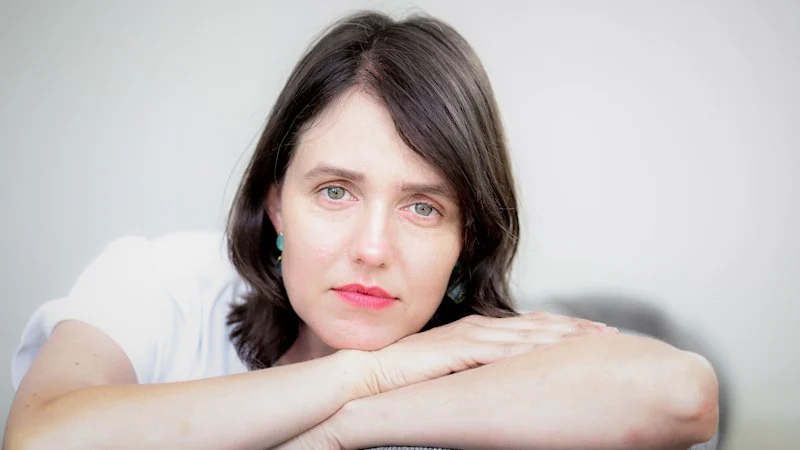
A week after giving birth to her first child in 2020, Melissa Mack developed a painful rash on the right side of her torso and started experiencing excruciating back pain. She initially assumed the rash was a reaction to an antibiotic she had been prescribed for mastitis and attributed the back pain to fatigue.
As the pain intensified, the then 35-year-old mother sought medical help and was diagnosed with shingles. She was prescribed antibiotics and took over-the-counter pain medication.
“It was one of the most horrible experiences of my life,” she said. “A lot of pain ebbs and flows, but this was intense and unrelenting.”
She covered her rash with gauze to ensure her newborn daughter didn’t come into contact with it and contract chickenpox.
While shingles isn’t contagious, Mack’s husband coincidentally also developed shingles a few weeks after his wife.
Mack said the intense pain dissipated about two weeks after her rash appeared, but she was left with residual pain for almost two years.
The National Immunisation Program funds a shingles vaccine for eligible groups including people over 65, Aboriginal and Torres Straight Islander people aged over 50 and people over 18 who are immunocompromised.
This cohort is most at risk of developing shingles and experiencing a severe case, which can involve widespread rashes, internal organs and enduring nerve pain.
While the Australian Immunisation Handbook recommends that people over 50 vaccinate themselves against shingles, most of those aged under 65 have to stump up about $560 for the two-dose vaccine.
Dr Anita Munoz, the Victorian chair of the Royal Australian College of General Practitioners, treats several younger patients a year who have shingles.
She said these cases had remained steady over her career.
“It can make people pretty unwell,” she said. “It’s a neuropathic pain that tends to not respond well to over-the-counter pain medication. It can endure well after the rash has resolved.”
She urges eligible people to get vaccinated and to seek medical care if they think they might have shingles. She said taking antiviral medication within the first three days of the development of a shingles rash could reduce the severity and duration of the infection.
Start the day with a summary of the day’s most important and interesting stories, analysis and insights. Sign up for our Morning Edition newsletter.
 Henrietta Cook is a senior reporter covering health for The Age. Henrietta joined The Age in 2012 and has previously covered state politics, education and consumer affairs.Connect via X, Facebook or email.