
Loading
A royal commission could equally look into that question, and it could do so with the greater force of coercive powers that Richardson lacks. Where necessary for national security reasons, it could take evidence in camera. It could produce an interim report on the same issues and on the same timelines as the Richardson inquiry, while conducting a longer examination into the larger issue at the heart of community concern, but beyond Richardson’s scope: antisemitism.
Royal commissions can take a long time because they examine, thoroughly, searchingly and publicly, systemic failures and patterns of misconduct. For instance, the royal commissions into institutional responses to child sex abuse, Indigenous deaths in custody and the banks. The more deep-seated the problem, the longer it takes to expose it in full. Bizarrely, Albanese in effect hides behind the fact that antisemitism is such a widespread problem that it requires long and thorough examination as his excuse not to have a royal commission into it.
It is notable that several of the signatories to the senior lawyers’ letter are themselves former royal commissioners, better placed than anyone to understand a royal commission’s utility.
Albanese next argued that a Commonwealth royal commission is unnecessary because NSW is having one. That excuse is preposterous for two obvious reasons. It concedes the appropriateness of having a royal commission. It simultaneously implies that a NSW inquiry is sufficient. Just ask members of the Jewish community who don’t live in Sydney what they think about that.
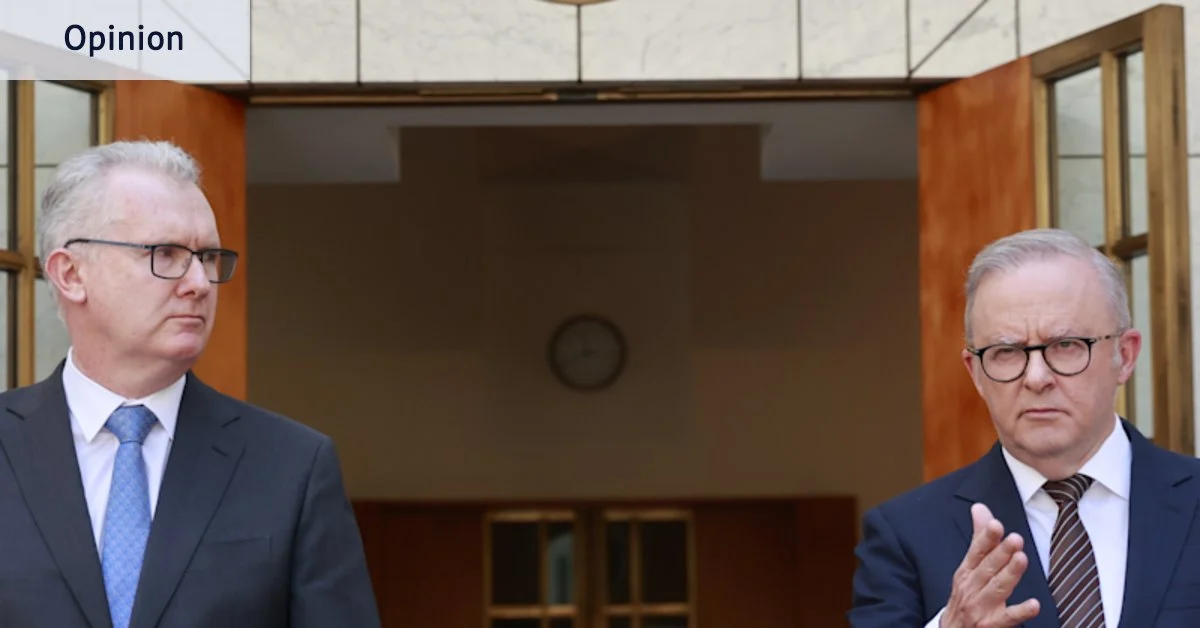
Thirdly, last week, Albanese and Home Affairs Minister Tony Burke introduced a new argument: that a royal commission could “platform” ugly views. What it would do, in investigating the extent to which antisemitism has penetrated sections of the Australian community, is reveal it. That is one of the chief purposes of a royal commission: in investigating a problem, to expose it; to shine a light into the dark corners where the problem exists – and the institutions in which it festers – as the child abuse royal commission did.
Loading
The ugly truth is that Albanese and Burke don’t want a royal commission for that very reason: that they are afraid of what it might reveal, of who might be caught in its forensic searchlight.
In a letter to the NSW ALP state secretary written shortly after the Bondi massacre, the Labor Israel Action Committee demanded action to root out antisemitism in Labor’s branches, saying it was “now pervasive in some sections” of the ALP. Its demand that Albanese address the issue of antisemitism in Labor branches was echoed by former Labor MP, now Labor Israel Action Committee president Mike Kelly: “[T]he Labor movement … has a responsibility to act on antisemitism in its own ranks.”
It would be shameful if, as I very much suspect, an underlying motive for Albanese’s refusal to satisfy overwhelming community demand for a royal commission were to cover up what is happening in some corners of the Labor Party – in particular, its western Sydney branches, which, it should be noted, are Burke’s bailiwick.
Yet, as he flails about offering ever more implausible excuses to justify his refusal to do what the nation is demanding, with each passing day Albanese looks less like someone who thinks a royal commission would achieve too little, than someone who fears that it might reveal too much.
George Brandis is a former high commissioner to the UK, and a former Liberal senator and federal attorney-general. He is now a professor at the ANU’s National Security College.
Get a weekly wrap of views that will challenge, champion and inform your own. Sign up for our Opinion newsletter.