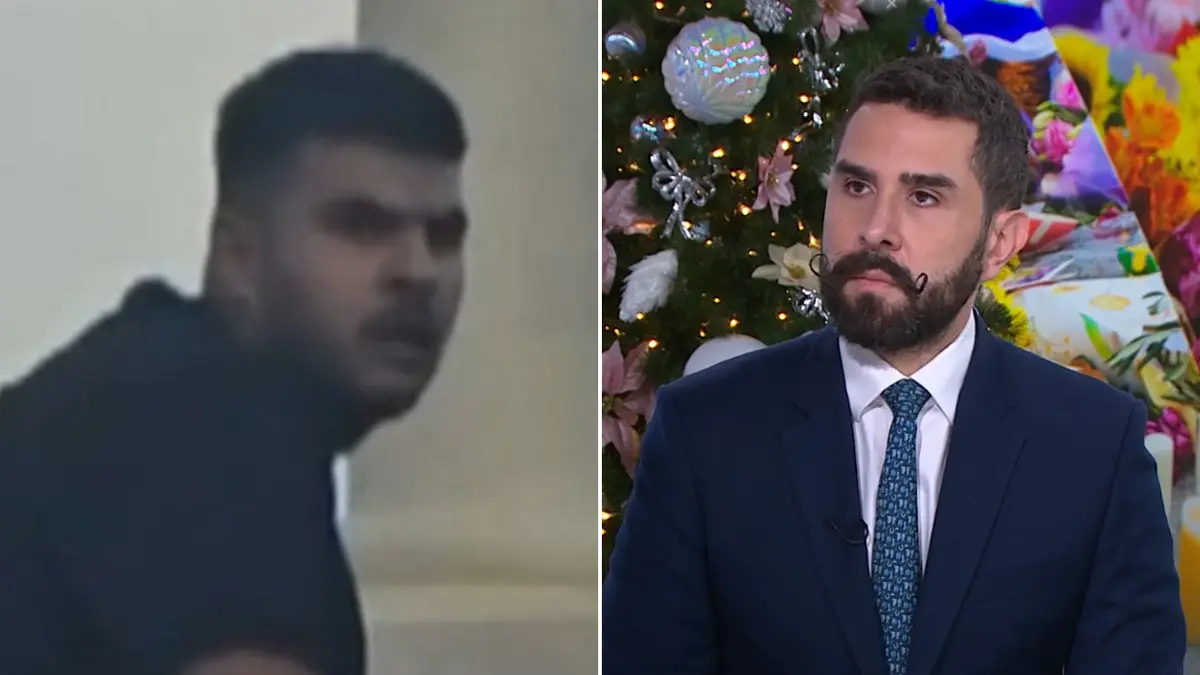

It could be years before the young man accused of taking part in Australia’s deadliest terror attack alongside his father faces a potential trial.
Naveed Akram, 24, was formally charged with 59 offences — including murder, wounding and terrorism — after waking up from a coma on Wednesday.
WATCH THE VIDEO ABOVE: What’s next for alleged Bondi Beach shooter Naveed Akram
Know the news with the 7NEWS app: Download today
Police allege Akram and his father Sajid, 50, opened fire on innocent civilians at Bondi Beach about 6.40pm on Sunday. A total of 15 people were killed during the attack while a further 40 were injured.
Akram was critically injured and placed into an induced coma for medical treatment. Sajid was killed at the scene.
The broad range of allegations levelled towards the 24-year-old will result in a complex legal battle, likely to take years before a trial — if he pleads not guilty.
Criminal defence lawyer Jahan Kalantar told Sunrise the legal process is “going to take longer than people expect”.
“Budget between two to three years for us to have the police complete their investigation, for him to be advised of his rights and potentially either plead guilty or plead not guilty,” Kalantar said.
“There will be some technicalities involved; which firearm was used in the slaying of what person, what forensics can be linked to him and what can’t be.
“It will be very difficult and it’s going to be challenging from an evidentiary basis.”

Akram is currently being represented by Legal Aid as he has reportedly found it difficult to find a private lawyer to take on his case.
“I think that there’s a lot of questions around who will ultimately represent them, and I think that we need to be respectful of that lawyer because that lawyer is taking on a very difficult duty and is doing it in the highest order of our profession,” Kalantar said.
In a video posted to social media on Wednesday, Kalantar told viewers he would not represent Akram if asked.
“I believe so strongly in the right of the individual to have a strong representation in their matter,” he said.
“I’m so affected by this, people I know personally are so affected, I cannot put aside that and do my job objectively.
“I thought I would represent anyone who really asked for it.
“Call it weakness of character, call it what you will, but I can’t do that.”
Akram’s case is listed to be mentioned before local court on Monday.