
A deal later struck with the states and territories reduced the excise even further with an extra 5.7 cents per litre.
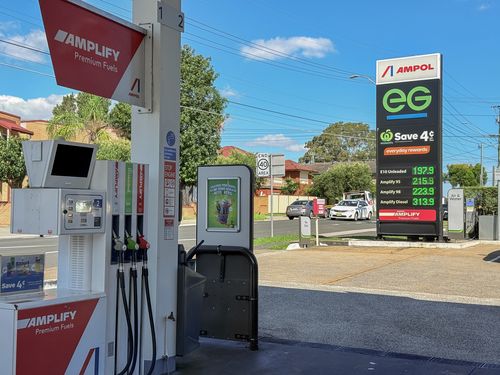
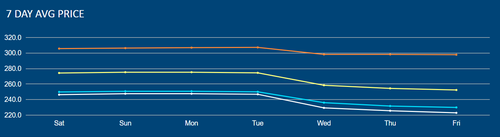
It was hoped that drivers and businesses would enjoy instant price relief, but it has taken three days for the average cost of unleaded to drop to an average of $2.23 per litre, down from $2.46 on Tuesday.
On Tuesday, just before the excise reduction came into effect, the average price of diesel in Australia was $3.07.
Premium 98 petrol has also fallen by around 22 cents since April 1 to an average of $2.52 per litre.
The speed of the price changes depends on the turnover of fuel at each station.
Petrol stations have needed to first sell the batch of fuel they had paid for at the full rate of fuel excise before applying the savings at the pump.
The consumer watchdog had warned fuel retailers that it would be keeping a close eye on prices after the excise was introduced.
Australian Competition and Consumer Commission (ACCC) said it would monitor prices daily in capital cities and across regional areas to ensure the savings were being passed on in full to motorists.
“The ACCC will examine closely any concerns raised with it relating to misleading or deceptive conduct or misrepresentation about excise reductions and retail prices and will take enforcement action where appropriate,” chair Gina Cass-Gottlieb said.
Price relief for truck drivers
WA truck driver and founder of Pilbara Heavy Haulage Girls Group Heather Jones said fuel costs had skyrocketed by 81 per cent since early March, the extra financial burden eating into her already razor-thin margins.
“Fuel used to be about a third of our operating costs – now it’s closer to two-thirds,” Jones said.
“That’s a huge shift, and it’s putting real pressure on operators like me.”
Jones said the fuel crisis has resulted in a lot of “sleepless nights” as she battles to keep her trucks on the road.
The Healthy Heads in Trucks & Sheds foundation warned fuel prices have taken a large toll drivers’ mental health.
“I find myself checking the bank account every day instead of once a week, just trying to stay on top of it,” Jones added.
“You’re constantly doing the maths in your head while you’re driving, and when you’re alone in the cab for that long, it can really build up.”
NEVER MISS A STORY: Get your breaking news and exclusive stories first by following us across all platforms.