

The lowest tax rate would be reduced from 16 cents on the dollar to 13 cents.

With the 2.5 per cent tax cut, a worker earning $100,000, which Spender said was slightly more than the median wage, would pay $1643 less in tax.
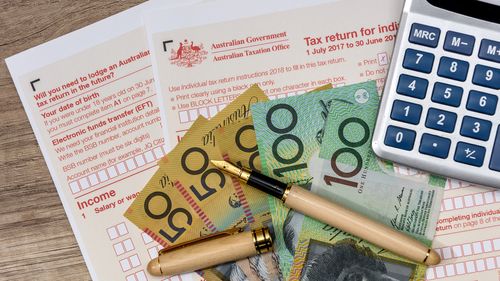
Under the proposal, workers would pay $28 billion less in personal income in the first year of operation and almost $130 billion less over the first four years.
Spender said the measure was budget neutral and would be paid for by four changes:
- Reduce the capital gains tax discount from 50 per cent to 30 per cent
- Reform negative gearing so losses are offset against investment income rather than wages
- Set a minimum tax rate of 27.5 cents to the dollar on investment income when the individual does not have a labour income
- Align superannuation earnings thresholds more closely with income tax thresholds
“Every dollar raised from reducing investment concessions is returned to working Australians through income tax cuts,” she said.
Spender said her proposal would rebalance the tax system so that the youngest workers are not carrying the heaviest burden of the tax system.
According to her estimates, a young worker who earns about $100,000 in wages will pay $23,000 in tax.
But someone who made the same amount and distributed it through a family trust and split it with a spouse would only pay $13,000 in tax.
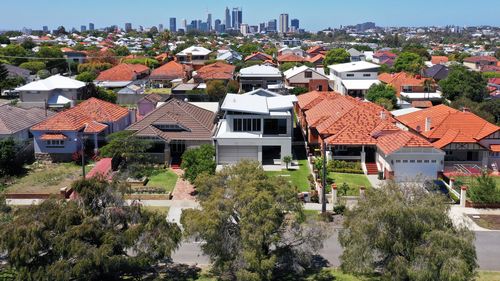
A property owner who made the same on capital gains would only pay about $7000 in tax, and a retiree on $1.7 million of superannuation would pay no tax at all.
“Same income. Four entirely different tax bills,” Spender said.
Spender said major reform was needed now to fix the broken tax system before the intergenerational inequality worsens.
“We are on train tracks, and we can see where they head, not a cliff, not a sudden disaster, just a slow arrival at a country where your parents’ balance sheet starts to matter more than your own ambition, where people don’t have the children or grandchildren that they want because of the financial pressures,” she said.
“We can see where we’re headed. We do have time to switch the destination, but only if we act now.”
There is speculation the federal government is looking to reform the capital gains tax discount and negative gearing – two policies that critics say have worsened housing affordability – in the upcoming budget.
The government has done little to quash those rumours.
“This budget is a once-in-a-generation opportunity for ambitious tax reform, and we are opening the door for Labor to walk through,” Greens senator Nick McKim said yesterday.
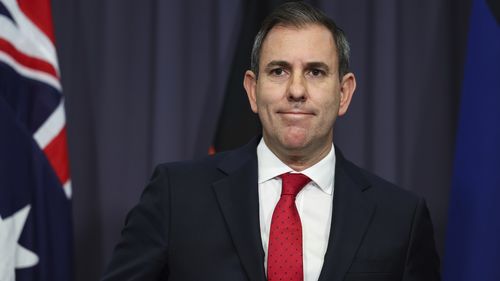
Treasurer Jim Chalmers has repeatedly pointed to the government’s desire to address intergenerational inequality.
NEVER MISS A STORY: Get your breaking news and exclusive stories first by following us across all platforms.