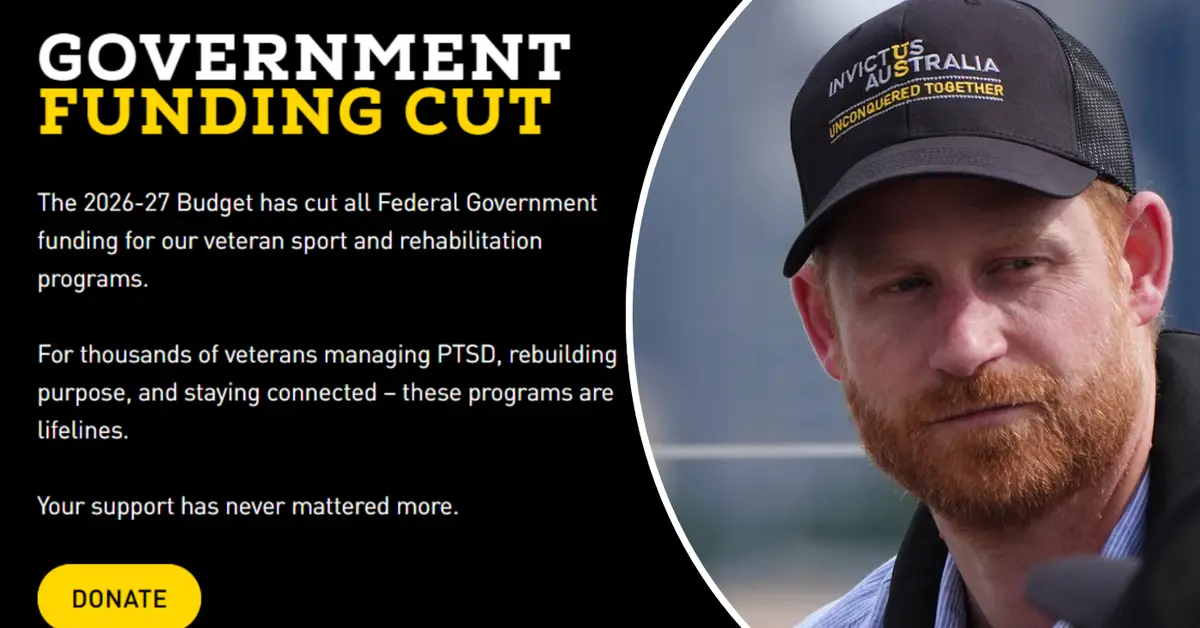

The charity helps serving and former Australian Defence Force members through sport, wellbeing, and community programs.
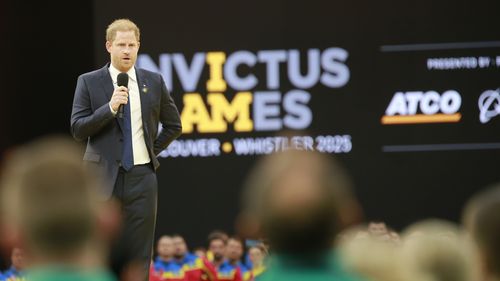
It launched after Australian veterans began competing in the Invictus Games, an international sporting competition for wounded and injured service personnel launched by Prince Harry in 2014.
Invictus Australia chief executive Michael Hartung said the organisation was blindsided by the decision.
“Given we had such short notice, only minutes before the budget announcement went live, we were deeply shocked and disappointed by the decision,” he said.
“Invictus Australia exists to support the recovery, wellbeing and ongoing rehabilitation of veterans … any reduction in funding for that work is not taken lightly.”
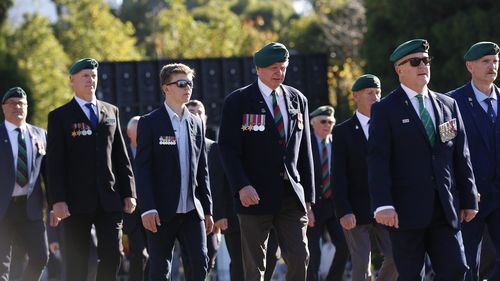
The funding cut landed in a budget dominated by a massive increase in defence spending, with Treasurer Jim Chalmers unveiling an additional $14 billion for Defence over four years and $53 billion over the decade.
It’s understood that defence funding will reach $887 billion by 2035-36, including major investments tied to the 2026 National Defence Strategy, submarine programs and military capability projects.
At the same time, Labor touted more than $770 million in extra funding linked to recommendations from the Royal Commission into Defence and Veteran Suicide.
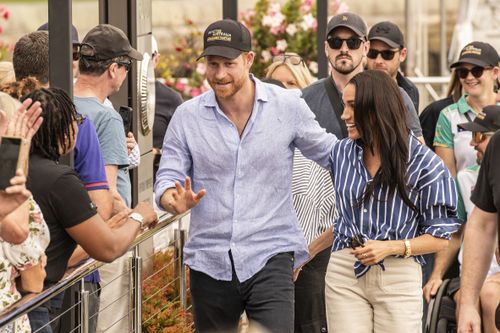
Hartung said Invictus Australia was now reviewing the fallout from the funding loss while trying to keep services running.
“Invictus Australia remains operational, and our priority is continuity for veterans and their families,” he said.
“That said, government funding plays an important role in supporting the scale and reach of our work.”
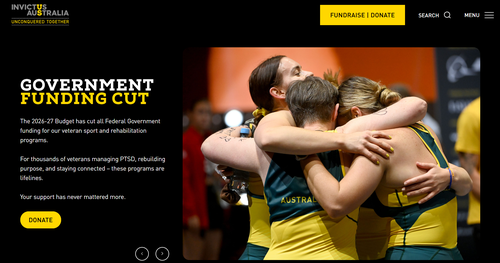
“We are actively assessing the impact of the funding cut, while exploring options to mitigate it through advocacy, partnerships and alternative funding pathways.”
The organisation runs programs across the country aimed at helping veterans through recovery, rehabilitation and transition into civilian life, including former personnel living with physical injuries, illness and complex mental health challenges.
Hartung warned that the decision carried consequences for the veteran community.
“At its core, this decision affects the people at the heart of our work – Australian veterans and their families,” he said.
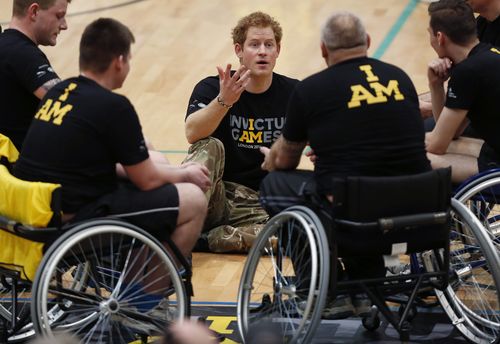
He pointed to findings from the Royal Commission into Defence and Veteran Suicide, saying sport and community-based programs could contribute to dozens of the commission’s recommendations around early intervention, social connection and long-term support.
A spokesperson for Veterans’ Affairs Minister Matt Keogh told nine.com.au the government appreciates Invictus Australia’s valuable contribution to veterans.
“While the funding for these specific grant programs has now concluded, the Veteran and Family Wellbeing Agency will provide future opportunities to work with the sector to develop a competitive program to deliver wellbeing initiatives that support veterans and families of veterans.”
NEVER MISS A STORY: Get your breaking news and exclusive stories first by following us across all platforms.