
“A prolonged crisis would put significant constraints on the ability of key diesel producers in the Asia-Pacific region to continue exporting it. Most Asia-Pacific countries would need to either slash their exports or even start importing to meet their domestic demand,” IEEFA chief executive Amandine Denis-Ryan said.
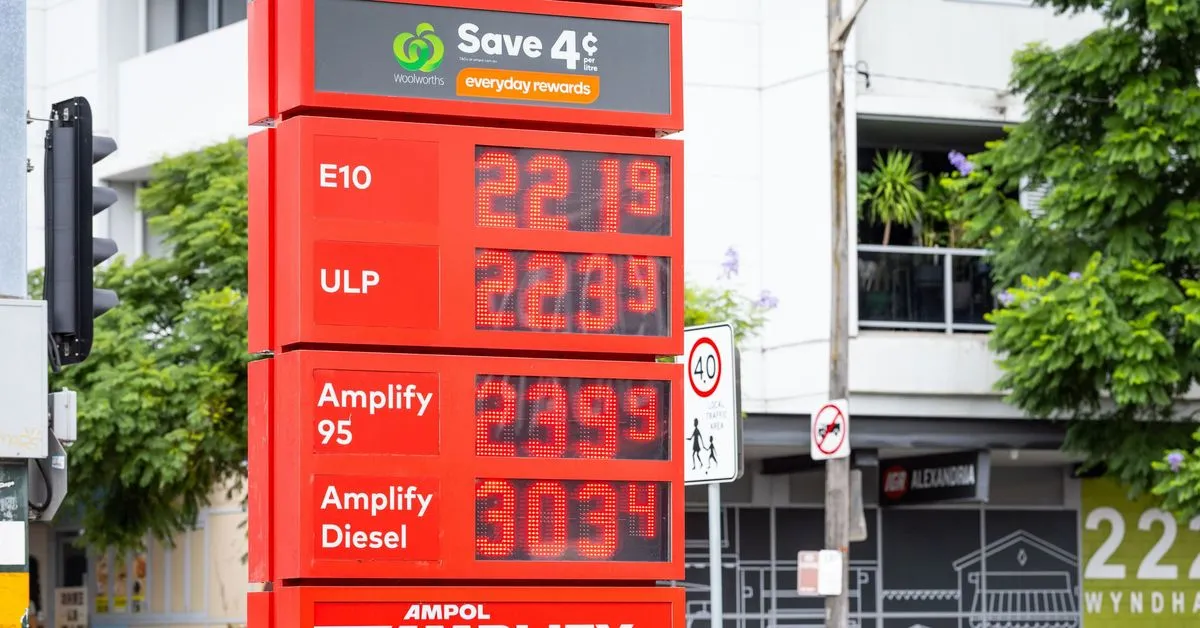
Diesel experienced higher increases and more volatility than petrol prices in Australia as the blockade of the Strait of Hormuz choked oil supply.
Denis-Ryan said diesel prices have tripled at the bowser in April 2026 compared to the start of the year.
“While there was an approximate doubling in price for crude oil and petrol,” she added.
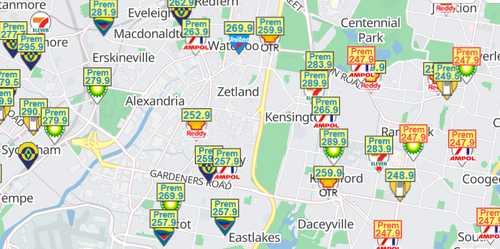
The average price of diesel has sunk to around $2.85 per litre in Australia after it soared to over $3.20 at the peak of the conflict in Iran.
While prices are trending downward due in part to the government’s pre-emptive action, this could change.
“Australia’s location means it may feel the crisis for longer than other countries, but it is also buying the country time to prepare for a possible diesel squeeze,” Denis-Ryan said.
The IEEFA has called on the government to ramp up efforts to conserve diesel in the agriculture, mining and rail transport communities.
This may include “fuel optimisation” solutions and a shift to electric vehicles (EV).
“There are many opportunities to deliver fast improvements in fuel efficiency in road transport, particularly through eco-driving, speed reduction and improved maintenance and logistics,” she added.
“In addition to helping mitigate any potential supply shortfalls, these initiatives would reduce the financial impact of the oil crisis on businesses.”
NEVER MISS A STORY: Get your breaking news and exclusive stories first by following us across all platforms.
- Download the 9NEWS App here via Apple and Google Play
- Make 9News your preferred source on G