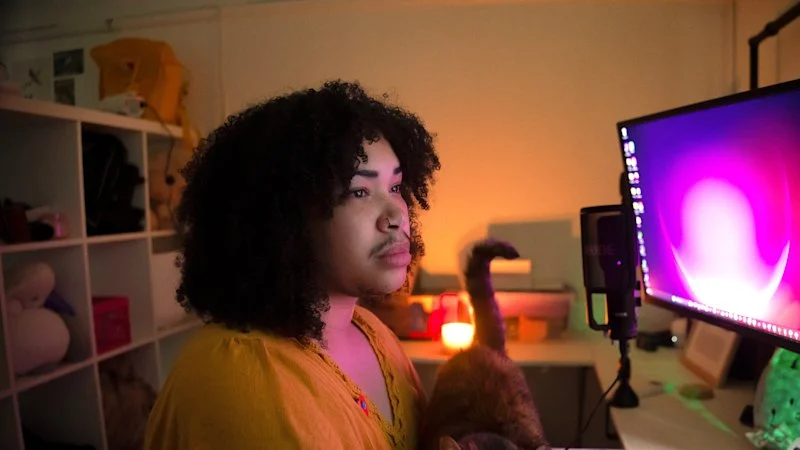


Teenagers have never been known for having excellent sleep habits. But more than being a nuisance for busy parents trying to get them out the door to school each morning, as the Herald‘s health editor Kate Aubusson reports today, poor sleep can have concerning consequences for teenagers’ wellbeing.
An Australian study has ranked bad sleep among the worst contributors to anxiety and depression in teens.
The preliminary results of the Black Dog Institute’s Future-Proofing Study, released today, show an alarming one in three 13- to 18-year-olds reported persistent and increasing insomnia symptoms, including 11 per cent with clinically significant insomnia, which made them more likely to experience high levels of anxiety and depression symptoms.
Bad sleep is what the study’s co-lead investigator Professor Aliza Werner-Seidler terms a “modifiable factor”, noting that changes such as restricting extracurricular activities before school would all assist adolescents in receiving more rest.
University of Queensland Conjoint Professor of Child and Youth Psychiatry James Scott agrees that bad sleep is modifiable, but his assessment of the problem is more blunt: what he sees is “kids staying on their phones with or without social media until all hours of the night”.
After the months of discourse that came before Australia’s world-first attempt at banning under 16s from social media last year, the public is well versed in the problems that arise from teenagers sitting on smartphones. Among the ills flagged were: poor self-esteem from comparison culture, the radicalising powers of the algorithm, the addictive nature of the devices, exposure to rampant misinformation, the ability for schoolyard bullying to reach children 24/7 and – of course – the epidemic of exhausted teenagers arriving at school each day after staying awake until 3am scrolling.
But some mental health organisations spoke out against the panic over teens with screens, raising concerns that cutting teenagers off from social media could mean cutting them off from their support networks. Particularly at risk, they said, were teenagers from marginalised communities or in regional areas.
The Sun-Herald has also previously been critical of a social media ban, querying how it would be enforced and whether it would be effective.
Only three months in, it is far too early to call the ban a success or failure. But there is something to be said for meeting teenagers where they are at when providing mental health support.
For this reason, it is pleasing to see researchers at mental health organisation Orygen are building an AI model capable of providing safe and effective mental health support to young people, as health reporter Angus Thomson reports.
We know that young people are already turning to AI chatbots for companionship and advice – a significantly cheaper and more convenient option than paying for private psychology sessions. But, with concerns that existing chatbots are fuelling delusions and isolating the most vulnerable, attempts to provide a safer alternative are sensible.
Even if it is also on a screen.
 The Herald’s View – Since the Herald was first published in 1831, the editorial team has believed it important to express a considered view on the issues of the day for readers, always putting the public interest first.